
Key Certifications and Technical Capabilities to Review When Partnering with a Peptide Factory
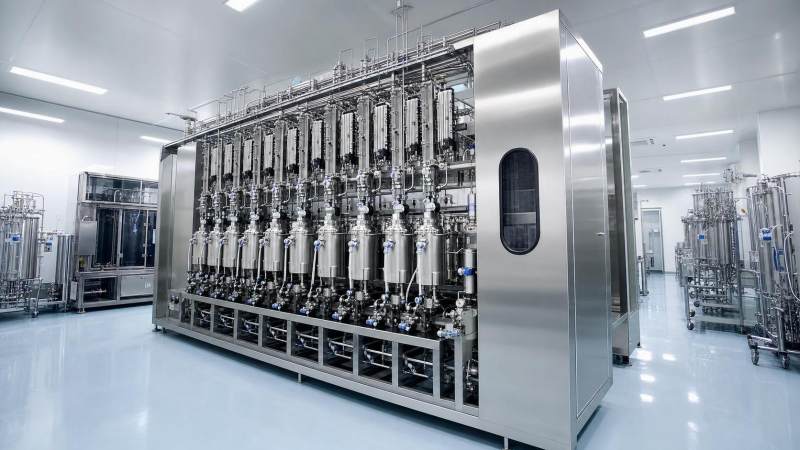
As bioactive peptides gain immense popularity in skincare formulations, health foods, and biopharmaceuticals, selecting the right upstream manufacturing partner is one of the most critical business decisions. Price is no longer the sole metric; regulatory compliance, batch safety, and product efficacy rely entirely on the factory's official certifications and technical competencies.
To assist your sourcing and technical auditing processes, we have broken down the core criteria to evaluate when auditing potential peptide suppliers.
1. Regulatory Certifications: The Standard for Global Market Access
Certifications are non-negotiable baselines that prove a factory meets the legal requirements of your target markets. Ensure your prospective partner holds these key credentials:
2. Technical Capabilities: The Driver of Quality and Innovation
A factory's technical setup determines whether your active peptides will be stable, pure, and commercially viable. Focus on these key technological indicators:
Custom Synthesis & Structural Modification: Evaluate if the team can perform advanced structural work. This includes peptide cyclization, pegylation, acetylation, or micro-encapsulation to improve active ingredient stability in final cosmetic creams or liquid solutions.
Production Infrastructure: Premium manufacturers operate automated computer-controlled Solid-Phase Peptide Synthesis (SPPS) or liquid-phase systems. Standardized reactors minimize human-made errors and secure batch-to-batch consistency.
Analytical Testing & Quality Control (QC): Ensure the facility houses an in-house analytical testing center. They must be able to perform High-Performance Liquid Chromatography (HPLC) to verify purity (typically 95% to 98% or higher) and Mass Spectrometry (MS) to confirm structural sequences, outputting a valid Certificate of Analysis (COA) for every shipment.
3. Guidelines for Compliant Marketing and Google Ads
For digital marketing managers and website operators running Google Ads campaigns or creating technical SEO landing pages, strict copywriting parameters must be followed:
Stick to Technical Facts: Highlight certifications (ISO, GMP), tested purities, industrial output volume, and lab equipment.
Avoid Therapeutic Language: Under strict advertising regulations, do not claim that cosmetic or nutritional peptides can heal skin diseases (like acne or dermatitis) or cure physical ailments. Focus strictly on cellular nourishment, hydration support, and structural raw material parameters.